Tree care services play a crucial role in maintaining the health, safety, and appearance of trees in residential, commercial, and public landscapes. Trees are long-term living assets that provide shade, improve air quality, enhance property value, and contribute to environmental balance. However, without proper care and maintenance, trees can become unhealthy, structurally unstable, or overgrown, leading to potential safety risks and aesthetic decline. Professional tree care services ensure that trees remain strong, well-shaped, and safe throughout their lifecycle while supporting the overall health of the surrounding environment.
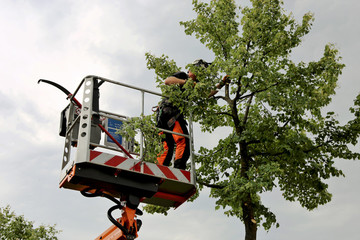
At the foundation of tree care is the understanding that trees require ongoing attention, not just occasional maintenance. Like any living organism, trees grow, adapt, and respond to environmental conditions such as soil quality, weather patterns, pests, and disease. Professional tree care services are designed to monitor these factors and provide timely interventions that promote long-term vitality. This includes pruning, trimming, disease management, soil treatment, and risk assessment, all of which contribute to maintaining a balanced and healthy landscape.
One of the most important aspects of tree care services is pruning. Proper pruning helps shape tree growth, remove dead or diseased branches, and improve overall structure. When done correctly, pruning enhances airflow and sunlight penetration, which are essential for healthy growth. It also reduces the risk of falling branches that could damage property or injure people. However, improper pruning can harm trees by creating weak growth patterns or exposing them to disease, which is why professional expertise is essential for this task.
Tree trimming is closely related to pruning but typically focuses more on maintaining appearance and controlling size. Overgrown branches can obstruct pathways, interfere with structures, or create an unbalanced canopy. Regular trimming helps maintain a clean and organized landscape while ensuring that trees do not become hazardous or intrusive. In addition to aesthetics, trimming also contributes to the long-term structural integrity of trees by preventing excessive weight distribution on weak branches.
Tree care services also include health assessment and disease management. Trees can be affected by a wide range of issues, including fungal infections, insect infestations, nutrient deficiencies, and environmental stress. Early detection is key to preventing serious damage or tree loss. Professional arborists are trained to identify signs of disease and recommend appropriate treatments, which may include targeted pruning, soil improvement, or pest control measures. By addressing problems early, tree care services help preserve tree health and prevent the spread of issues to nearby vegetation.
Several key components define effective tree care services:
- Regular pruning and trimming to maintain structure and safety.
- Tree health inspections to detect disease or pest issues early.
- Soil management and fertilization to support healthy growth.
- Risk assessment to identify potential hazards.
- Emergency tree removal when safety is compromised.
These services work together to ensure that trees remain safe, healthy, and visually appealing in any environment.
Soil health is another critical factor in tree care. Trees rely on nutrient-rich soil to support root development and overall growth. Poor soil conditions can lead to weak root systems, stunted growth, and increased vulnerability to disease. Tree care professionals often evaluate soil composition and apply treatments such as fertilization or aeration to improve conditions. In some cases, mulch may be used to retain moisture and regulate soil temperature, creating a more stable environment for tree roots.
Tree removal is sometimes necessary when a tree becomes too damaged, diseased, or hazardous to remain in place. While tree care services prioritize preservation whenever possible, removal is a critical safety measure in certain situations. A structurally unstable tree can pose significant risks to people and property, especially during storms or high winds. Professional removal ensures that the process is carried out safely and efficiently, minimizing disruption to the surrounding area.
Emergency tree services are also an important part of comprehensive tree care. Severe weather conditions, such as storms or strong winds, can cause branches or entire trees to fall unexpectedly. In such cases, immediate response is required to clear debris, prevent further damage, and restore safety. Emergency tree care services are designed to handle urgent situations quickly and effectively, ensuring that hazards are addressed without delay.
Several benefits highlight the importance of professional tree care services:
- Improved tree health and longevity through proper maintenance.
- Enhanced safety by reducing the risk of falling branches or tree failure.
- Increased property value through well-maintained landscapes.
- Better environmental contribution through healthy tree growth.
- Prevention of costly damage caused by neglect or structural failure.
These benefits demonstrate how tree care services contribute not only to individual property maintenance but also to broader environmental and community well-being.
Tree care services also play a significant role in enhancing the visual appeal of outdoor spaces. Well-maintained trees contribute to a balanced and attractive landscape, providing structure, shade, and natural beauty. Whether in residential gardens or larger outdoor environments, trees that are properly cared for create a sense of harmony and organization. This visual improvement can significantly enhance the overall atmosphere of a property.
Seasonal maintenance is another important aspect of tree care. Different times of the year require different approaches to ensure optimal tree health. For example, pruning may be more effective during dormant seasons, while fertilization and growth monitoring are often prioritized during active growth periods. Understanding seasonal cycles allows tree care professionals to apply the right techniques at the right time, maximizing effectiveness and minimizing stress on trees.
Modern tree care services also incorporate advanced tools and techniques to improve efficiency and accuracy. Specialized equipment allows professionals to safely access tall trees, perform precise cuts, and assess structural stability. Technology also supports better diagnosis of tree health issues, enabling more targeted and effective treatments. These advancements have significantly improved the quality and safety of tree care practices.
In addition to technical skills, tree care professionals also bring valuable knowledge of tree biology and environmental conditions. This expertise allows them to make informed decisions about how to best support tree health while considering factors such as climate, soil type, and surrounding vegetation. Their guidance helps property owners make long-term decisions that benefit both individual trees and the overall landscape.
In conclusion, tree care services are essential for maintaining healthy, safe, and visually appealing trees in any environment. Through practices such as pruning, trimming, disease management, soil care, and emergency response, these services ensure that trees remain strong and functional throughout their lifespan. Beyond aesthetics, proper tree care contributes to safety, environmental health, and property value. With professional attention and ongoing maintenance, trees can continue to provide beauty, shade, and ecological benefits for many years to come.