Once the fire is extinguished and the property is safe, restoration professionals begin an inspection and assessment of damage. This assessment is critical for the development of Fire Damage Restoration Utah plan and insurance claim.
Water used to extinguish the fire seeps into building materials, creating conditions for mold growth and structural deterioration. Restoration crews use pumps and dehumidifiers to remove standing water.
Debris Removal
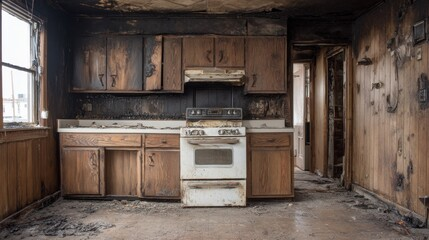
When wildfires reach urban environments, they create a unique set of challenges for residents who return home to recover. The toxic debris left behind by wildfires often includes building materials like plastic siding, paints and stains; appliances full of plastics and refrigerants; and home chemicals like cleaners, batteries, fertilizers and ammunition. These hazards are dangerous for anyone to handle on their own and should only be handled by trained disaster relief volunteers who wear half-face respirators with P100 filters, a helmet, Tyvek suits, steel-toe boots, three layers of gloves and decontamination wipes for the skin.
Debris removal begins as soon as the EPA has cleared properties and homeowners have completed their right-of-entry (ROE) forms. Once ROEs are verified, the Corps of Engineers contractors will begin clearing and transporting ash and fire debris to the TDS.
This is a massive undertaking and will take two to three days per property. To ensure safety and efficiency, Corps of Engineers contractors will work at night.
Once all the hazardous material is removed, restoration specialists begin preparing the structure for reconstruction. This includes sanitizing and disinfecting all interior and exterior surfaces, as well as duct cleaning to remove smoke and soot from HVAC systems. The restoration team also carefully monitors moisture levels in walls, floors and other structural elements to prevent future issues like mold remediation.
This step is especially important if the structure was exposed to flames, radiant heat or embers. The fire restoration process typically involves repairs to the roof, plumbing, electricity, and foundation as well as odor removal. It can also involve other restoration steps such as sanitizing and restoring personal belongings. If necessary, the structure will be tarped or sealed to protect it from the weather.
Smoke & Soot Removal
Once fire damage cleanup is complete, it’s time to tackle the smoke and soot. Soot particles cling to walls, ceilings and personal items, causing long-term damage. Soot is a health hazard, and cleaning it requires special products, equipment and training. Professional restoration teams have the tools and skills to remove soot without further damaging surfaces.
The first step of this process is to take a careful look at all areas affected by fire, including those that have not been touched directly by flames. This damage assessment helps the team determine what can be saved and what will need to be replaced for insurance claims. The team creates a detailed list of items that can be saved, as well as an itemized list of those that need to be replaced.
This is the most intensive part of the fire restoration process. The team cleans everything from floors to walls, ceilings, furniture and appliances. They begin with the tops of rooms, working down to the bottom. They use specialized vacuums with HEPA filters to remove soot and other contaminants without spreading them around. The process may also involve sanding, chemical treatments and air movers to dry out affected areas. The team may even check the HVAC systems to make sure they have been cleaned of soot and water from firefighting efforts.
Different kinds of fires leave behind different kinds of soot. For example, protein fires cause sticky residue that stains easily. Synthetic fires leave a black, greasy residue. The restoration team uses a variety of techniques to remove every bit of smoke damage. They can also use ozone machines and thermal fogging to eliminate ongoing odors.
Deodorization
The smoke odor from a fire can linger for weeks (if not longer) unless professionally addressed. That’s why smoke odor removal is a key part of the fire damage restoration process.
Smoke breaks down into tiny particles that infiltrate porous materials, embedding them deep within walls, fabrics and furniture. Those particles continue to release odor long after the flames have been extinguished, which is why standard cleaning supplies and air fresheners don’t fully address the problem.
Deodorization techniques include air purification and ozone treatment. HEPA-filtered vacuums and specialized soot sponges help eliminate loose surface particles, while thermal fogging penetrates porous surfaces to neutralize odor molecules at the chemical level. In addition, technicians thoroughly clean HVAC systems to stop re-contamination of the entire property.
Size of the Loss
The size and type of materials burned affects the extent of smoke contamination. For example, kitchen fires leave behind greasy protein-based soot that is more difficult to remove than wood or natural material fires. Also, the size of the property impacts the amount of time needed to treat the odors.
When working on a smoke damage remediation project, it’s important to communicate with the client and insurance claims adjuster to explain how complicated removing smoke odor can be. Explain the types of deodorization techniques you’ll use, why multiple treatments may be required, and what you expect to accomplish at the completion of the job. This will give the client a better understanding of why your work is necessary, helping to ease anxiety and tension throughout the remediation process. This will also help you set realistic expectations and timelines for your work. It’s best to begin this process as soon as possible after the loss.
Water Removal & Drying
Once the fire department leaves and it’s deemed safe to enter, your restoration team will begin the next steps. They’ll start by assessing the damage. This is an important step that will help them figure out what needs to be done to get things back to normal. They’ll take notes and create a plan for how to go about fixing the place. For example, they’ll check to see how much water damage there is and what areas are most affected. This helps them decide how to handle everything from getting rid of the water to figuring out what can be saved and restored.
Firefighting efforts often leave behind significant amounts of water. This water can cause additional problems like odors, mold, and structural issues if it’s not treated right away. To prevent this, professionals use powerful pumps and wet/dry vacuums to remove the water quickly. Then they’ll use air movers, dehumidifiers, and moisture meters to dry out the affected areas and materials.
Moisture in walls, flooring, and insulation can lead to a host of problems, including unpleasant odors, rot, and mold. That’s why it’s important to prioritize professional drying as soon as possible after a fire. To ensure proper drying, restoration experts follow strict industry standards for psychrometrics.
After removing the visible water, restoration specialists will seal off damaged areas with tarps and boards. This protects the property from rain and keeps animals, burglars, and unauthorized people out while home restoration work is underway. Then they’ll clean up any remaining debris and sanitize the area to remove any harmful toxins that may be left from smoke or the water used to extinguish the fire.
Reconstruction
Fire damage can be devastating for homeowners and business owners. In addition to the visible damage from charred walls, floors, and ceilings, lingering smoke, soot, and water damages can continue to erode safety, health, and property value long after firefighters extinguish the flames. This is why it’s critical to choose a restoration company that can address both visible and hidden fire damage with a structured, comprehensive approach to recovery.
Once the fire department declares the site safe, the restoration process begins. First, professionals inspect the damage to assess the extent of fire, smoke, and residue penetration as well as any additional water damage from firefighting efforts. They also note any items that are unsalvageable and create a plan to recover the property to pre-loss condition.
Next, crews secure the site to protect the building or structure from weather and vandalism, as well as unauthorized entry. They may board up broken windows and doors, cover roof sections with heavy tarps, and install fencing to prevent unauthorized access or theft. They will also remove any contaminated materials and tarps for cleaning or disposal as needed.
The cleaning phase involves removing all soot and smoke stains from surfaces as well as sanitizing restorable materials. In this step, thermal foggers and ozone treatments may be used to neutralize lingering smoke odors. Finally, the reconstruction process begins to repair and rebuild the damaged areas. Depending on the extent of the fire damage, this could include rebuilding or replacing drywall, carpeting, and flooring, as well as electrical repairs.
The restoration process following a fire is complicated and time-consuming, but professional restoration technicians work to mitigate damage quickly and return the property to pre-loss condition as soon as possible. PHC Restoration offers emergency fire restoration services in Lillington, NC and surrounding areas to address both the immediate needs of securing your home or commercial property and the subsequent cleaning and rebuilding necessary to restore your life or business back to normal.