Water damage is one of the most common and expensive problems property owners face. Whether it begins with a slow leak under the sink, a cracked roof shingle, or a malfunctioning appliance hose, water has a way of finding hidden pathways into places it doesn’t belong. Once it seeps behind walls, under flooring, or into ceilings, the damage can escalate quickly—compromising structural integrity, promoting mold growth, and leading to repairs that strain even the most carefully planned budgets.
The good news is that many of these costly water damage repairs are preventable. Routine maintenance, when done consistently and thoughtfully, acts as a protective barrier against unexpected leaks, flooding, and moisture-related deterioration. By adopting a proactive approach rather than waiting for visible signs of trouble, homeowners and property managers can significantly reduce the risk of extensive water-damage restoration projects. Call All Pro Services for trusted advice.
Understanding the True Cost of Water Damage
Before diving into prevention strategies, it’s important to understand why water damage is so financially and structurally disruptive. Water doesn’t simply stain surfaces—it penetrates porous materials such as drywall, wood framing, insulation, and flooring. Over time, trapped moisture can weaken support beams, warp flooring, deteriorate drywall, and create an ideal environment for mold growth.
What begins as a minor drip can evolve into structural repairs, flooring replacement, mold remediation, and even electrical system concerns if wiring becomes exposed to moisture. The cost of water damage restoration increases significantly when the issue goes undetected for extended periods. That’s why routine inspections and maintenance play such a critical role in prevention.
The Preventive Power of Regular Inspections
Routine property inspections are the foundation of effective water damage prevention. By identifying small warning signs early, property owners can take corrective action before the problem escalates.
For example, periodic roof inspections can reveal missing shingles, damaged flashing, or clogged gutters that might otherwise allow water intrusion during heavy rainfall. Similarly, checking plumbing connections under sinks and behind appliances can uncover loose fittings or slow leaks that might not be visible until significant damage has occurred.
Even minor condensation around windows or HVAC systems can signal larger moisture issues. Addressing these concerns promptly reduces the likelihood of needing emergency water damage restoration services later.
Plumbing Maintenance: The First Line of Defense
Plumbing systems are one of the most common sources of indoor water damage. Pipes, fittings, water heaters, washing machine hoses, and dishwashers all rely on sealed connections that can deteriorate over time.
Routine plumbing maintenance includes:
- Inspecting Visible Pipes and Connections
Look for corrosion, rust, or moisture around joints and valves. Even small drips can cause hidden damage behind cabinets or walls. - Replacing Aging Hoses and Fittings
Appliance hoses and flexible plumbing connectors should be replaced periodically to prevent sudden ruptures that can flood a room within minutes. - Monitoring Water Pressure
Excessively high water pressure can strain pipes and increase the risk of leaks. Installing a pressure regulator can extend the lifespan of plumbing components.
By addressing plumbing concerns early, property owners significantly reduce the risk of burst pipes and interior flooding.
Roof and Gutter Maintenance: Protecting from Above
Your roof serves as the primary shield against rain and moisture. When roofing materials degrade, water can infiltrate attics, ceilings, and wall cavities. Unfortunately, roof damage often goes unnoticed until stains appear indoors.
Routine roof maintenance involves checking for cracked shingles, damaged flashing, and debris accumulation. Gutters and downspouts should also be cleaned regularly to ensure proper water drainage. When gutters become clogged, water can overflow and seep into siding or foundation areas.
Maintaining proper drainage systems around the property is equally important. Water should flow away from the foundation to prevent basement flooding and structural weakening. Routine landscaping adjustments, such as grading soil away from the structure, can help reduce pooling water near the foundation.
HVAC Systems and Hidden Moisture
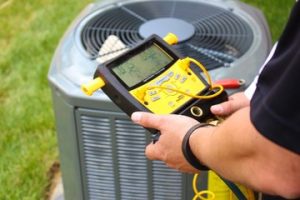
Heating and cooling systems can also contribute to water damage if not properly maintained. Air conditioning units produce condensation, which must drain efficiently. A clogged condensate drain line can cause water to back up and leak into ceilings or walls.
Regular HVAC maintenance includes clearing drain lines, checking drip pans, and ensuring proper insulation around ductwork. Preventing excess moisture in these systems reduces the likelihood of mold growth and water-related damage inside the building envelope.
Additionally, maintaining balanced indoor humidity levels helps protect flooring, walls, and structural components from gradual moisture deterioration.
Foundation and Basement Protection
Basements and crawl spaces are especially vulnerable to water intrusion. Cracks in foundation walls or improperly sealed windows can allow groundwater to enter during heavy rainfall.
Routine foundation inspections should focus on identifying cracks, shifting soil, or signs of dampness along walls. Installing and maintaining sump pumps, sealing foundation cracks, and ensuring functional drainage systems provide added protection.
Property owners should also monitor basement walls for discoloration, peeling paint, or musty odors—common indicators of hidden moisture problems. Addressing these warning signs early prevents costly structural repairs and mold remediation.
Exterior Maintenance and Sealing
Water doesn’t always enter through obvious pathways. Exterior siding, windows, and doors can develop small gaps that allow moisture intrusion over time. Routine caulking and sealing help prevent rainwater from penetrating these vulnerable areas.
Inspecting window frames and door seals annually ensures that protective barriers remain intact. Cracked caulking or deteriorated weatherstripping should be replaced promptly to prevent moisture seepage.
Exterior paint also serves as a protective layer. Maintaining painted surfaces and addressing peeling or cracking areas can help shield siding from water exposure.
The Role of Preventive Maintenance Plans
Many property owners benefit from structured preventive maintenance plans that schedule inspections and service checks throughout the year. Rather than relying on memory or reactive repairs, these plans create a systematic approach to property care.
An effective maintenance strategy often includes:
- Seasonal Roof and Gutter Inspections
Particularly before and after heavy rainfall seasons. - Quarterly Plumbing Checks
Inspecting high-risk areas such as kitchens, bathrooms, and laundry rooms. - Annual HVAC Servicing
Ensuring proper drainage and humidity control. - Foundation and Drainage Evaluations
Monitoring soil grading and sump pump functionality.
Consistent scheduling reduces the chance of overlooking critical areas that may develop leaks or moisture buildup.
Technology and Early Leak Detection
Modern technology has added another layer of protection against water damage. Leak detection systems can monitor water flow and alert property owners to unusual activity. Some systems automatically shut off the water supply when irregular flow patterns are detected, preventing extensive flooding.
Moisture sensors placed in high-risk areas—such as under sinks or near water heaters—provide early warnings that allow for swift corrective action. While these tools do not replace routine maintenance, they enhance preventive efforts and minimize response time.
Mold Prevention Through Moisture Control
One of the most serious consequences of water damage is mold growth. Mold can begin developing within 24 to 48 hours of moisture exposure. Routine maintenance that controls leaks and humidity significantly reduces mold risk.
Proper ventilation in bathrooms, kitchens, and laundry areas prevents excess humidity buildup. Using exhaust fans and ensuring adequate airflow throughout the property protects surfaces from prolonged moisture exposure.
By prioritizing moisture control, property owners not only prevent structural damage but also maintain healthier indoor air quality.
Long-Term Financial Benefits of Routine Maintenance
Some property owners hesitate to invest in routine maintenance because it may seem unnecessary when no visible issues exist. However, the financial benefits far outweigh the upfront costs.
Preventive maintenance reduces the likelihood of emergency repairs, extensive water damage restoration, and insurance claims. It also protects property value by preserving structural integrity and preventing cosmetic damage such as warped floors or stained ceilings.
In many cases, small repairs cost a fraction of what full-scale restoration projects require. Replacing a worn hose or sealing a minor foundation crack is far more affordable than repairing flood-damaged flooring and drywall.
Creating a Maintenance Mindset
Preventing costly water damage repairs requires more than occasional inspections—it requires a proactive mindset. Property owners should view maintenance not as a chore but as an investment in long-term stability and safety.
Setting reminders, documenting inspection findings, and addressing issues promptly can dramatically reduce the risk of water-related disasters. Even simple habits—such as turning off water supplies when traveling or checking for leaks after installing new appliances—can make a meaningful difference.
Consistency is key. Routine attention to plumbing, roofing, drainage, and sealing protects both residential and commercial properties from avoidable damage.
Prevention Is Always More Affordable Than Restoration
Water damage can be sudden and devastating, but in many cases, it is preventable. Routine maintenance serves as a powerful defense against leaks, flooding, and moisture-related deterioration. By conducting regular inspections, maintaining plumbing systems, protecting roofs and foundations, and controlling humidity, property owners dramatically reduce the likelihood of expensive repairs.
Rather than waiting for visible signs of water intrusion, proactive maintenance identifies risks before they escalate. The result is not only financial savings but also greater peace of mind. Protecting a property from water damage is not a one-time task—it is an ongoing commitment that pays dividends in safety, durability, and long-term value.
In the end, routine maintenance isn’t just about upkeep—it’s about prevention. And when it comes to avoiding costly water damage repairs, prevention will always be the smarter investment.