In modern architecture and interior design, every structural element has the potential to contribute to both functionality and visual appeal. Among these elements, stairway metal railings have evolved from simple safety features into defining architectural statements. No longer viewed as purely practical components, metal railings now play a significant role in shaping the character, flow, and aesthetic identity of residential, commercial, and public spaces.
The evolution of Architecture Stairway Metal Railing reflects broader changes in design philosophy. Architects, designers, and property owners increasingly seek solutions that combine structural performance with artistic expression. Metal railings offer an ideal balance of durability, versatility, and visual sophistication, making them a preferred choice across a wide range of architectural styles. Whether incorporated into contemporary interiors, industrial-inspired environments, or classic architectural settings, metal railings continue to redefine how stairways contribute to the overall design experience.
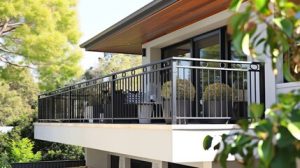
As architectural trends evolve and construction technologies advance, stairway metal railings remain at the forefront of innovation, blending engineering precision with creative craftsmanship. Understanding their role in modern architecture reveals why they have become such an essential feature in today’s built environments.
The Architectural Importance of Stairways
Stairways serve a fundamental purpose by connecting different levels within a structure. However, their influence extends far beyond simple functionality. In many designs, the staircase acts as a focal point that draws attention and guides movement throughout the space.
Because stairways naturally occupy prominent positions within buildings, their design has a substantial impact on overall aesthetics. A thoughtfully designed staircase can create visual continuity, establish architectural themes, and enhance spatial perception.
Metal railings contribute significantly to this impact by providing:
- Structural safety and support.
- Visual definition of stair boundaries.
- Architectural character and style.
- Design continuity throughout the space.
- Opportunities for artistic expression.
Rather than being secondary features, stairway railings often become integral components of the architectural narrative.
The Evolution of Metal Railings in Architecture
Historically, railings were designed primarily with safety in mind. Early systems emphasized durability and functionality, often featuring simple forms and limited decorative elements. Over time, advancements in manufacturing, fabrication techniques, and design philosophies expanded the possibilities for metal railing construction.
Today’s architectural metal railings showcase a wide range of styles, from minimalist and geometric compositions to highly intricate custom creations. Modern fabrication methods allow designers to achieve levels of precision and creativity that were once difficult or impossible to produce.
Several factors have contributed to this evolution:
- Advances in metalworking technology.
- Increased demand for customized design solutions.
- Growth of contemporary architectural styles.
- Improved finishing and coating systems.
- Integration of digital design and fabrication tools.
These developments have transformed metal railings into versatile design elements capable of complementing virtually any architectural vision.
Why Metal Remains a Preferred Material
Metal has earned its reputation as one of the most reliable and adaptable materials for stairway railings. Its unique combination of strength, durability, and design flexibility makes it suitable for both interior and exterior applications.
Unlike some materials that may warp, crack, or deteriorate over time, properly fabricated metal railings can maintain their structural integrity for many years with minimal maintenance. This longevity makes them an attractive investment for property owners seeking both performance and visual appeal.
The advantages of metal railings include:
- Exceptional structural strength.
- Long-term durability.
- Design versatility.
- Compatibility with various architectural styles.
- Relatively low maintenance requirements.
These qualities allow metal railings to meet both practical and aesthetic objectives within modern construction projects.
Balancing Safety and Design
Safety remains the primary purpose of any stairway railing. Building occupants rely on railings for support, stability, and protection against falls. However, modern architectural design demonstrates that safety and aesthetics do not need to be mutually exclusive.
Today’s metal railings are engineered to meet rigorous performance standards while also contributing to visual appeal. Designers carefully consider dimensions, spacing, load requirements, and ergonomic factors without sacrificing creativity.
Effective railing design achieves several goals simultaneously:
- Providing reliable user support.
- Meeting safety requirements.
- Enhancing architectural aesthetics.
- Supporting circulation and accessibility.
- Maintaining visual harmony.
This balance between performance and design is one of the defining characteristics of contemporary architectural metal railings.
The Rise of Minimalist Metal Railings
Minimalism has become one of the most influential trends in modern architecture, and stairway metal railings have evolved accordingly. Clean lines, open spaces, and unobstructed views have become hallmarks of contemporary design.
Minimalist railings often feature streamlined profiles, simple geometric forms, and reduced visual weight. By eliminating unnecessary ornamentation, these systems emphasize spatial openness and architectural clarity.
Benefits of minimalist metal railing designs include:
- Enhanced visual flow.
- Increased perception of space.
- Modern aesthetic appeal.
- Greater focus on surrounding architectural features.
- Simplified maintenance.
These characteristics make minimalist railings particularly popular in contemporary residential and commercial environments.
Customization and Artistic Expression
One of the greatest strengths of metal as a design material is its adaptability. Architects and fabricators can create highly customized railing systems tailored to the specific needs and aesthetic goals of a project.
Custom metal railings may incorporate unique patterns, decorative elements, artistic motifs, or innovative structural forms. This flexibility allows stairways to become architectural centerpieces rather than merely functional transitions between levels.
Customization options often include:
- Unique geometric patterns.
- Decorative metalwork.
- Mixed-material combinations.
- Custom finishes and textures.
- Integrated lighting features.
These possibilities enable designers to transform ordinary staircases into memorable architectural features.
Integrating Metal Railings with Other Materials
Modern architectural design frequently emphasizes material contrast and visual balance. Metal railings are particularly effective when combined with complementary materials that enhance their appearance and performance.
Common material combinations include metal paired with:
- Glass panels.
- Wood accents.
- Stone features.
- Concrete elements.
- Composite materials.
These combinations create layered visual experiences while maintaining the structural advantages of metal. The result is often a sophisticated blend of textures, colors, and architectural styles that enriches the overall design.
The ability to integrate seamlessly with diverse materials is one reason metal railings remain so versatile across different project types.
Technology’s Influence on Modern Fabrication
Advances in technology have significantly expanded the possibilities for architectural metal railing design. Digital modeling software, precision cutting systems, and advanced fabrication equipment allow designers to create increasingly complex and customized structures.
Technology contributes to:
- Greater design accuracy.
- Enhanced fabrication precision.
- Improved quality control.
- Increased customization opportunities.
- More efficient project execution.
These innovations have enabled the production of railing systems that combine artistic creativity with exceptional structural performance.
As fabrication capabilities continue to evolve, architectural metal railings are likely to become even more sophisticated and innovative.
Durability and Long-Term Value
Property owners often evaluate building components based on both appearance and long-term performance. Metal railings excel in this regard by offering durability that supports decades of reliable use.
Properly designed and finished metal railings resist many of the challenges associated with daily wear, environmental exposure, and heavy traffic. Their ability to maintain structural integrity and visual appeal contributes to long-term value.
Long-term benefits include:
- Reduced replacement frequency.
- Lower maintenance demands.
- Consistent structural performance.
- Enhanced property value.
- Improved lifecycle cost efficiency.
These advantages make metal railings a practical and financially sound choice for many architectural applications.
Sustainability in Modern Railing Design
Sustainability has become an increasingly important consideration in architecture and construction. Metal railings align well with many sustainable design objectives due to their durability, longevity, and recyclability.
Because metal components often have extended service lives, they reduce the need for frequent replacement and associated resource consumption. Additionally, many metal products can be recycled and repurposed at the end of their useful life.
Sustainable benefits may include:
- Long material lifespan.
- Reduced waste generation.
- Recyclable material content.
- Lower replacement requirements.
- Support for sustainable building practices.
As environmentally conscious design continues to grow, metal railings remain well-positioned within modern architectural strategies.
The Future of Architecture Stairway Metal Railing
The future of architecture stairway metal railing is likely to be shaped by ongoing advancements in design, technology, and material innovation. Architects increasingly seek solutions that combine aesthetics, functionality, sustainability, and customization.
Emerging trends may include:
- More integrated lighting systems.
- Advanced fabrication techniques.
- Greater use of digital design tools.
- Enhanced customization capabilities.
- Innovative material combinations.
As these developments continue, metal railings will remain an important medium through which architects express creativity and solve practical design challenges.
The evolution of stairway railings reflects the broader evolution of architecture itself—a continuous effort to merge beauty, performance, and human experience into cohesive built environments.
Architecture stairway metal railing has evolved far beyond its traditional role as a simple safety feature. Today, it represents a sophisticated blend of structural engineering, artistic craftsmanship, and architectural innovation. Through advancements in fabrication, design flexibility, and material performance, metal railings have become essential elements in shaping modern spaces.
Their ability to provide safety, durability, customization, and aesthetic appeal makes them a valuable component in residential, commercial, and public architecture. Whether designed with minimalist simplicity or intricate artistic detail, metal railings contribute significantly to the character and functionality of the environments they inhabit.
As architecture continues to evolve, stairway metal railings will remain a powerful example of how practical building components can transcend their functional origins and become defining features of exceptional design. By elevating both form and function, they truly live up to their role in elevating spaces.