Outdoor spaces have become an increasingly important extension of modern living environments, serving not only as aesthetic enhancements but also as functional areas for relaxation, entertainment, and property value improvement. A well-designed landscape can completely transform the appearance and usability of a property, turning an underutilized yard into a vibrant and purposeful space. However, achieving this level of transformation requires more than basic gardening skills or occasional maintenance. It requires the expertise of professional Landscape Contractors Honolulu HI who understand design principles, environmental conditions, construction techniques, and long-term sustainability.
Landscape contractors play a crucial role in planning, executing, and maintaining outdoor projects of varying scale and complexity. Their work spans everything from initial design concepts to soil preparation, hardscape installation, irrigation systems, planting strategies, and ongoing maintenance planning. For property owners seeking a complete outdoor transformation, hiring the right contractor is often the difference between a visually appealing but short-lived project and a durable, functional landscape that thrives over time.
Understanding the Role of Landscape Contractors
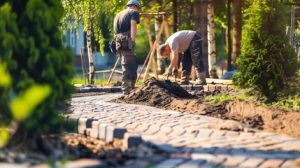
Landscape contractors are skilled professionals who specialize in both the design and implementation of outdoor environments. Unlike general gardeners or maintenance crews, they are trained to handle structural elements, environmental planning, and technical installation work that requires precision and expertise. Their responsibilities extend beyond planting flowers or trimming hedges; they coordinate entire outdoor projects that may include patios, walkways, retaining walls, lighting systems, water features, and irrigation infrastructure.
A key aspect of their role is translating a client’s vision into a practical and sustainable design. This involves evaluating soil conditions, drainage patterns, sunlight exposure, and existing vegetation to determine what is feasible and what adjustments are necessary. By combining creative design with technical knowledge, landscape contractors ensure that outdoor spaces are both visually appealing and structurally sound.
Why Hiring Professional Landscape Contractors Matters
Many property owners initially consider handling landscaping projects independently to save costs. While small-scale gardening tasks can be managed without professional assistance, larger transformations require a level of expertise that goes far beyond basic maintenance. Professional landscape contractors bring experience, specialized equipment, and design knowledge that significantly improve the outcome of any outdoor project.
One of the most important advantages of hiring professionals is their ability to prevent costly mistakes. Poor drainage design, incorrect plant selection, or improperly installed hardscape features can lead to long-term issues such as soil erosion, plant failure, or structural instability. Contractors anticipate these challenges during the planning phase and implement solutions that ensure durability and functionality.
Additionally, professional contractors streamline the entire process, from design to completion. They coordinate labor, materials, timelines, and permits, reducing the burden on property owners and ensuring that projects are completed efficiently and according to plan.
Key Services Offered by Landscape Contractors
Landscape contractors provide a wide range of services that contribute to comprehensive outdoor transformation. These services can be customized based on project size, budget, and design goals. While some projects focus primarily on aesthetics, others emphasize functionality, sustainability, or property enhancement.
Common services include:
- Landscape design and planning tailored to property layout and environmental conditions.
- Hardscape installation, such as patios, pathways, retaining walls, and outdoor structures.
- Softscape development including planting trees, shrubs, grass, and flower arrangements.
- Irrigation system installation and water management solutions.
- Outdoor lighting design for safety, ambiance, and visual enhancement.
- Ongoing landscape maintenance and seasonal care programs.
Each of these services contributes to creating a balanced and functional outdoor environment. When combined effectively, they transform ordinary spaces into cohesive landscapes that are both beautiful and practical.
The Landscape Design Process Explained
The design process is one of the most important stages in any landscaping project. It serves as the foundation for all subsequent work and determines how the outdoor space will function and evolve. Landscape contractors typically begin with a detailed assessment of the property, taking into account topography, soil conditions, drainage patterns, existing vegetation, and environmental exposure.
Once the site analysis is complete, contractors work with property owners to develop a design plan that aligns with their vision, budget, and intended use of the space. This stage often involves sketches, digital renderings, and conceptual layouts that help visualize the outcome.
A well-structured design process ensures that all elements of the landscape work together harmoniously. It also allows for adjustments before construction begins, reducing the risk of costly modifications later in the project.
Hardscaping vs Softscaping in Outdoor Transformation
A complete landscape design typically includes both hardscaping and softscaping elements. Understanding the difference between these two components is essential when planning an outdoor transformation.
Hardscaping refers to the non-living structural elements of a landscape. These include patios, walkways, driveways, retaining walls, and outdoor seating areas. Hardscape features provide structure, functionality, and durability, forming the backbone of the overall design.
Softscaping, on the other hand, involves living elements such as plants, trees, shrubs, and grass. These components add color, texture, and natural beauty to the landscape while contributing to environmental balance and ecosystem health.
A successful outdoor transformation requires careful integration of both hardscape and softscape elements to achieve visual harmony and long-term sustainability.
How to Choose the Right Landscape Contractor
Selecting the right landscape contractor is one of the most important decisions in the outdoor transformation process. The quality of workmanship, communication, and design execution directly impacts the final result. Property owners should take time to evaluate potential contractors carefully before committing.
Several key factors should be considered:
- Experience and expertise in handling similar landscape projects.
- Portfolio of completed work demonstrating design style and quality.
- Knowledge of local environmental conditions and plant suitability.
- Communication skills and the ability to understand client expectations.
- Transparent pricing structure and detailed project estimates.
- Proper licensing, insurance, and professional credibility.
Reviewing these factors helps ensure that the selected contractor is capable of delivering a successful and well-executed project.
The Importance of Sustainable Landscaping Practices
Modern landscape design increasingly emphasizes sustainability and environmental responsibility. Landscape contractors play a key role in implementing eco-friendly practices that reduce water consumption, support biodiversity, and minimize environmental impact.
Sustainable landscaping techniques may include drought-resistant plant selection, efficient irrigation systems, soil conservation methods, and the use of environmentally friendly materials. These practices not only benefit the environment but also reduce long-term maintenance costs for property owners.
By incorporating sustainable strategies into the design process, landscape contractors help create outdoor spaces that are both beautiful and environmentally responsible.
Common Challenges in Landscape Projects
Outdoor transformation projects often come with challenges that require professional expertise to resolve effectively. These challenges may include uneven terrain, poor soil quality, drainage issues, or unpredictable weather conditions. Without proper planning, these factors can significantly impact the success of a project.
Landscape contractors are trained to identify and address these challenges early in the process. For example, retaining walls may be used to manage sloped terrain, while drainage systems can prevent water accumulation and soil erosion. Proper plant selection also ensures that vegetation thrives in specific environmental conditions.
By anticipating potential obstacles, contractors reduce delays and ensure smoother project execution.
Long-Term Value of Professional Landscaping
Investing in professional landscape contractors provides long-term value that extends beyond immediate visual improvements. A well-designed landscape enhances property functionality, increases curb appeal, and can significantly boost overall property value. Outdoor spaces that are thoughtfully designed and properly maintained also offer improved usability for recreation, relaxation, and social gatherings.
Over time, professional landscaping reduces maintenance requirements by ensuring that plants, irrigation systems, and structural elements are installed correctly from the beginning. This leads to lower repair costs, healthier plant growth, and a more sustainable outdoor environment.
Landscape contractors are essential partners in creating meaningful and lasting outdoor transformations. Their expertise in design, construction, environmental planning, and maintenance ensures that outdoor spaces are not only visually appealing but also functional and sustainable. From hardscape installation to plant selection and irrigation design, their work shapes the overall structure and performance of outdoor environments.
Hiring the right landscape contractor allows property owners to bring their outdoor vision to life while avoiding costly mistakes and ensuring long-term success. With careful planning, professional execution, and a focus on sustainability, landscape contractors help transform ordinary outdoor areas into beautifully designed spaces that enhance both lifestyle and property value for years to come.