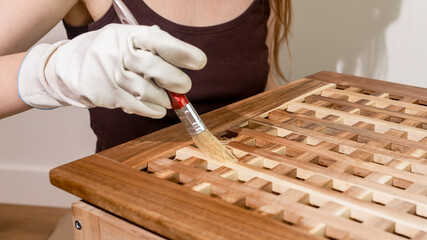
A kitchen can feel outdated long before the cabinets stop functioning properly. Scratches, faded finishes, worn surfaces, and old colors can make an entire room appear tired and uninspiring. Fortunately, replacing cabinets is not always necessary. Cabinet refinishing has become a popular solution for homeowners who want to transform the appearance of their kitchen or bathroom without the expense and disruption of a full renovation.
One of the most common questions homeowners ask before starting a refinishing project is how long the process will take. While Cabinet Refinishing Sacramento is generally much faster than cabinet replacement, the timeline can vary depending on several factors. Understanding what happens during each stage of the project can help homeowners set realistic expectations and plan accordingly.
What Is Cabinet Refinishing?
Cabinet refinishing is the process of restoring and updating the appearance of existing cabinets while keeping the original cabinet boxes and structure intact. Instead of replacing cabinets entirely, refinishing focuses on improving the surface through cleaning, sanding, repairing, staining, painting, and applying protective coatings.
The goal is to give cabinets a refreshed appearance while preserving their functionality. Refinishing can dramatically change the look of a kitchen, bathroom, laundry room, or other space without the significant costs associated with a complete replacement project.
Because the existing cabinets remain in place, refinishing typically requires less labor, fewer materials, and less disruption than installing brand new cabinetry. This efficiency often makes refinishing an attractive option for homeowners seeking an updated look within a shorter timeframe.
Average Timeline for Cabinet Refinishing
The average cabinet refinishing project generally takes anywhere from three days to two weeks, depending on the size and complexity of the job. Smaller projects involving a limited number of cabinets may be completed within several days, while larger kitchens with extensive preparation requirements may require more time.
The actual refinishing work represents only part of the overall timeline. Proper preparation, repairs, drying times, and curing periods all contribute to the length of the project.
Although some homeowners expect refinishing to be completed immediately, achieving high quality results requires patience. Rushing through preparation or applying finishes before previous coats have properly dried can negatively impact the durability and appearance of the finished cabinets.
A professional refinishing process prioritizes quality and long term performance rather than speed alone.
The Preparation Stage
Preparation is one of the most important phases of cabinet refinishing and often takes more time than homeowners anticipate. Before any refinishing work begins, cabinet doors, drawer fronts, hardware, and accessories typically need to be removed.
The surfaces must then be thoroughly cleaned to eliminate grease, dirt, cooking residue, and other contaminants that may interfere with finish adhesion. Kitchens often accumulate years of oils and residue that require careful removal.
After cleaning, technicians inspect the cabinets for damage such as scratches, dents, cracks, or worn areas. Any necessary repairs are completed before refinishing proceeds.
Sanding is another critical step in the preparation process. The existing finish must be properly scuffed or removed to create a suitable surface for new coatings. Depending on the condition of the cabinets, this stage alone may require a significant amount of time.
Proper preparation creates the foundation for a smooth, attractive, and durable finish.
How Cabinet Condition Affects the Timeline
The condition of the cabinets has a major impact on how long refinishing will take. Cabinets that are structurally sound and relatively well maintained generally require less preparation and repair work.
Older cabinets with extensive wear may need additional attention before refinishing can begin. Deep scratches, chipped surfaces, water damage, and previous coating failures can increase project duration.
Wood species and cabinet construction may also influence the process. Certain materials require specialized preparation techniques or additional sanding to achieve optimal results.
If significant repairs are necessary, the refinishing timeline can extend beyond the typical project duration. However, addressing these issues properly helps ensure a more attractive and long lasting result.
Investing extra time in repairs often prevents future problems and enhances the overall appearance of the finished cabinets.
The Painting or Staining Process
Once preparation is complete, the actual refinishing process begins. The timeline during this stage depends largely on whether the cabinets are being painted or stained.
Painted cabinets often require multiple coats of primer and paint. Each coat must dry adequately before the next layer can be applied. Depending on environmental conditions and product specifications, drying times may range from several hours to a full day between coats.
Stained cabinets typically involve applying stain followed by one or more protective topcoats. While staining may require fewer layers than painting, it still involves drying periods that contribute to the overall timeline.
Achieving a smooth and professional appearance often requires careful application techniques and sufficient drying time between coats. Rushing this phase can result in uneven coverage, visible imperfections, or reduced durability.
The choice of finish plays a significant role in determining how long the refinishing project will take.
Drying and Curing Time Matters
Many homeowners assume the project is complete once the final coat has been applied. In reality, drying and curing are two separate stages that affect how quickly the cabinets can return to full use.
Drying refers to the process in which the surface becomes dry to the touch. This often occurs within hours or days depending on the products used.
Curing involves the complete hardening and strengthening of the finish. During the curing period, the coating continues to develop its durability and resistance to scratches, moisture, and wear.
Some finishes may require several days to cure, while others can take multiple weeks to reach maximum hardness. During this time, homeowners may need to use the cabinets carefully to avoid damaging the newly applied finish.
Understanding the difference between drying and curing helps set realistic expectations for the final stages of the project.
Factors That Can Extend the Refinishing Timeline
Several factors can increase the amount of time required for cabinet refinishing. Larger kitchens naturally involve more cabinet doors, drawers, and surfaces, resulting in additional labor and drying time.
Complex cabinet designs may also require more detailed preparation and finishing work. Decorative trim, raised panels, and intricate profiles often take longer to sand, paint, or stain than flat surfaces.
Environmental conditions play an important role as well. High humidity levels and cooler temperatures can slow drying and curing times significantly.
Custom color matching or specialty finishes may require additional steps to achieve the desired appearance. Certain decorative techniques involve multiple layers and specialized applications that extend the project schedule.
Unexpected repairs discovered during preparation can also add time. Structural issues, hidden water damage, or deteriorated surfaces must be addressed before refinishing can proceed.
How Cabinet Refinishing Compares to Cabinet Replacement
One reason cabinet refinishing remains popular is its relatively short timeline compared to full cabinet replacement. Replacing cabinets often involves demolition, disposal, plumbing adjustments, electrical work, countertop modifications, and installation of entirely new cabinetry.
These additional tasks can extend renovation projects for several weeks or even months. Cabinet refinishing eliminates many of these steps because the existing cabinet structure remains intact.
Homeowners can often continue using portions of their kitchen during the refinishing process, minimizing disruption to daily routines. This convenience represents a significant advantage for busy households.
The shorter timeline, reduced expense, and minimal construction make refinishing an appealing alternative for many remodeling projects.
Tips for Ensuring a Smooth Refinishing Process
Proper planning can help minimize delays and contribute to a successful cabinet refinishing project. Homeowners should begin by discussing expectations and timelines before work starts.
Clearing cabinet contents ahead of time allows preparation to begin more efficiently. Removing fragile items and organizing temporary storage solutions can help reduce inconvenience during the project.
Maintaining consistent indoor temperatures and adequate ventilation may also support proper drying and curing conditions. Following all care instructions provided after refinishing helps protect the newly finished surfaces.
Patience is essential throughout the process. While homeowners are often eager to enjoy their updated cabinets, allowing sufficient time for preparation, application, and curing helps ensure the best possible results.
The quality of the final finish often reflects the care and attention invested during each stage of the project.
Why the Wait Is Worth It
Although cabinet refinishing requires time and careful execution, the results can be transformative. Cabinets that once appeared worn, outdated, or damaged can be restored to a fresh and attractive condition that enhances the entire room.
Refinishing allows homeowners to update colors, improve durability, and create a more modern appearance without the expense of complete replacement. The process also preserves existing cabinetry, reducing waste and making it a more environmentally responsible remodeling option.
By understanding the timeline and the factors that influence it, homeowners can better prepare for the project and appreciate the craftsmanship involved in achieving a professional finish.
Final Thoughts
So, how long does cabinet refinishing take? While most projects can be completed within a few days to two weeks, the exact timeline depends on factors such as cabinet condition, project size, preparation requirements, finishing methods, and curing times. Every stage of the process plays a critical role in achieving beautiful and long lasting results. Although refinishing requires patience, the investment of time is often rewarded with cabinets that look refreshed, modern, and ready to serve for many years to come. For homeowners seeking an affordable and effective way to transform their space, cabinet refinishing remains one of the most practical and rewarding renovation options available.