Fire damage is one of the most complex and disruptive forms of property damage because it does not end when the flames are extinguished. In fact, what remains after a fire is often just as damaging as the fire itself. Smoke, soot, heat exposure, and water used to suppress the fire all contribute to a layered type of destruction that affects nearly every part of a structure. For property owners facing this situation, understanding what the fire damage cleanup process involves is essential for making informed decisions and recovering effectively.
Fire Damage Restoration Utah and cleanup is a structured, multi-stage process designed to remove hazardous residues, stabilize the property, eliminate contamination, and restore the structure to a safe and functional condition. It is not simply about cleaning visible soot or removing debris. Instead, it involves detailed assessment, careful handling of affected materials, and specialized techniques to address both visible and hidden damage. Because fire impacts can spread far beyond the immediate burn area, cleanup requires a systematic approach to ensure nothing is overlooked.
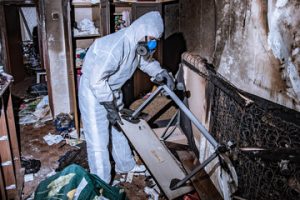
Understanding The Full Impact of Fire Damage
Before the cleanup process begins, it is important to understand why fire damage is so extensive and difficult to manage. A fire affects a property in multiple ways at the same time. Flames destroy structural materials and contents, but the heat can weaken building components even in areas not directly burned. Smoke travels through ventilation systems, hallways, and small openings, depositing soot particles throughout the entire structure.
Soot is especially problematic because it is acidic and can continue damaging surfaces long after the fire has been extinguished. It can stain walls, corrode metal, and permanently affect porous materials like wood, fabric, and drywall. Meanwhile, water used during firefighting efforts introduces another layer of damage, saturating materials and increasing the risk of mold growth if not addressed quickly.
The combination of fire, smoke, soot, and water makes cleanup a multi-disciplinary process that requires both technical knowledge and specialized equipment.
Step 1: Initial inspection and safety assessment.
The fire damage cleanup process begins with a thorough inspection of the property. Before any physical cleanup takes place, safety must be evaluated. Fire-damaged structures can be unstable, and there may be risks such as weakened floors, exposed electrical wiring, or lingering smoke contamination.
During the inspection phase, professionals assess the extent of the damage, identify hazardous areas, and determine whether the structure is safe to enter. They also evaluate the severity of fire, smoke, and water damage to develop a clear cleanup strategy.
This stage typically includes:
- Assessing structural integrity of walls, ceilings, and floors.
- Identifying areas with electrical or gas hazards.
- Evaluating smoke and soot spread throughout the property.
- Determining water damage from firefighting efforts.
- Documenting damage for insurance and restoration planning.
A detailed inspection ensures that the cleanup process begins with a clear understanding of the scope of work and potential risks involved.
Step 2: Securing and stabilizing the property.
Once the inspection is complete, the next step is to secure the property. Fire-damaged buildings are often vulnerable to further damage from weather, animals, or unauthorized entry. Stabilization is necessary to prevent additional deterioration before cleanup and restoration work can proceed.
This stage may involve boarding up broken windows, tarping damaged roofs, and reinforcing unstable areas of the structure. Temporary supports may be installed if structural elements are compromised.
Securing the property serves several important purposes:
- Prevents further weather-related damage.
- Protects against theft or vandalism.
- Maintains structural safety.
- Reduces additional contamination.
- Creates a controlled environment for cleanup work.
By stabilizing the structure early, the cleanup process can proceed more efficiently and safely.
Step 3: Water removal and drying.
Since water is often used extensively to extinguish fires, the cleanup process almost always includes water removal. Standing water and excess moisture must be addressed quickly to prevent secondary damage such as mold growth and structural weakening.
Professional equipment is used to extract water from floors, carpets, and other affected areas. Once standing water is removed, drying equipment such as air movers and dehumidifiers is used to eliminate remaining moisture trapped in building materials.
This stage is critical because lingering moisture can lead to long-term complications if not properly managed. Even if a structure appears dry on the surface, hidden moisture may remain within walls or flooring systems.
Key goals of this stage include:
- Removing all standing water from the property.
- Drying structural materials thoroughly.
- Reducing indoor humidity levels.
- Preventing mold and microbial growth.
- Stabilizing materials for further cleanup work.
Proper drying sets the foundation for all subsequent cleaning and restoration efforts.
Step 4: Smoke and soot removal.
Smoke and soot cleanup is one of the most detailed and labor-intensive parts of the fire damage cleanup process. Smoke particles can travel throughout the entire property, even reaching areas far from the original fire source. These particles settle on surfaces and penetrate porous materials, creating stubborn residues and lingering odors.
Soot is particularly difficult to remove because it can vary in composition depending on what was burned. It may be dry, oily, or protein-based, each requiring different cleaning methods.
Professionals use specialized techniques and cleaning agents to remove soot from walls, ceilings, floors, and personal belongings. In some cases, dry cleaning methods are used first to avoid spreading residue, followed by wet cleaning for deeper contamination.
This stage often includes:
- Cleaning walls, ceilings, and structural surfaces.
- Removing soot from furniture and belongings.
- Treating HVAC systems to prevent smoke recirculation.
- Using chemical sponges and specialized detergents.
- Addressing both visible and hidden soot deposits.
Effective smoke and soot removal is essential for restoring both appearance and indoor air quality.
Step 5: Odor removal and air purification.
Even after visible soot is removed, smoke odors can linger deeply within a structure. These odors are caused by microscopic particles that become embedded in materials such as wood, fabric, insulation, and drywall.
Odor removal is a specialized part of the cleanup process that focuses on neutralizing these particles rather than masking them. Techniques may include thermal fogging, ozone treatment, or advanced air filtration systems designed to purify indoor air.
The goal is to eliminate the source of the odor so that it does not return over time. Air purification systems may also be used during and after cleanup to improve air quality and remove remaining airborne contaminants.
Step 6: Cleaning and sanitizing affected areas.
Once soot and odors have been addressed, the next step is deep cleaning and sanitization. Fire damage often leaves behind a combination of debris, chemical residues, and contaminated materials that must be thoroughly cleaned to ensure a safe environment.
Cleaning involves treating all affected surfaces, including floors, walls, fixtures, and contents. Sanitization helps remove bacteria and other contaminants that may have been introduced during the fire or firefighting process.
This stage is especially important when water damage has occurred alongside fire damage, as moisture can increase the risk of microbial growth.
Step 7: Salvaging and restoring belongings.
Fire damage cleanup is not limited to the structure itself. Personal belongings and contents within the property are also evaluated for restoration. Depending on the level of damage, many items can be cleaned and restored rather than replaced.
Items commonly salvaged include furniture, clothing, documents, electronics, and sentimental possessions. Specialized cleaning techniques such as ultrasonic cleaning, dry cleaning, and freeze-drying may be used for delicate or valuable items.
The decision to restore or replace items depends on the extent of contamination and the likelihood of successful recovery.
Step 8: Repairs and reconstruction.
Once the cleanup process is complete, the final stage involves repairing and restoring the property. This may include replacing drywall, flooring, insulation, and structural components that were damaged beyond repair.
Reconstruction ensures that the property is returned to a safe, functional, and visually restored condition. In some cases, this stage may involve significant rebuilding, while in others it may be limited to cosmetic repairs.
Typical reconstruction tasks include:
- Replacing damaged structural materials.
- Repairing walls and ceilings.
- Installing new flooring.
- Repainting and finishing surfaces.
- Restoring electrical and mechanical systems.
The goal is to fully restore the property to its pre-fire condition or better.
Why is professional fire damage cleanup essential?
Fire damage cleanup is a complex process that requires specialized knowledge, equipment, and safety procedures. Attempting to handle it without proper training can result in incomplete cleanup, hidden damage, and long-term issues such as persistent odors or mold growth.
Professional cleanup ensures that all aspects of fire damage are addressed systematically, from structural safety to air quality restoration. It also helps prevent secondary damage that may not be immediately visible but can become costly over time.
So, what is the fire damage cleanup process? It is a comprehensive, multi-step approach that includes inspection, stabilization, water removal, smoke and soot cleanup, odor elimination, sanitization, content restoration, and reconstruction. Each stage plays a critical role in restoring safety, structure, and livability after a fire.
Fire damage is not a surface-level issue, and effective cleanup must address both visible destruction and hidden contamination. By following a structured process and relying on proper techniques, it is possible to recover a property safely and thoroughly.
Ultimately, fire damage cleanup is about more than restoring a building—it is about restoring safety, stability, and functionality after a disruptive and often traumatic event.