Construction projects involve a wide range of activities that require careful coordination, technical expertise, and strict attention to safety. From residential renovations to large-scale commercial developments, construction sites are dynamic environments where multiple teams, heavy equipment, and potentially hazardous materials often operate simultaneously. In such settings, safety is not simply a recommendation—it is an essential component of successful project management. One of the primary responsibilities of a general contractor is ensuring that every aspect of the job site operates as safely as possible. By implementing comprehensive safety measures, maintaining compliance with regulations, and fostering a culture of accountability, general contractors play a critical role in protecting workers, visitors, and property throughout the construction process.
Safety on a construction site begins long before physical work starts. General contractors invest significant time in planning and risk assessment before any equipment arrives or materials are delivered. Every construction project presents unique challenges, and identifying potential hazards early allows contractors to develop strategies to mitigate risks before they become problems. This proactive approach helps prevent accidents, reduce delays, and create a more organized work environment. Careful planning also ensures that safety considerations are integrated into every stage of the project rather than treated as an afterthought. Gain more insights by visiting https://jrcsi.com/.
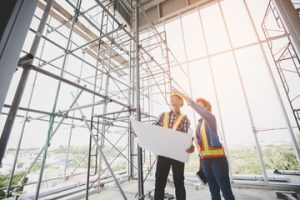
One of the first ways general contractors promote safety is through comprehensive site evaluations. Before construction begins, the site is carefully inspected to identify potential hazards such as uneven terrain, underground utilities, unstable structures, environmental concerns, or restricted access points. Understanding these conditions allows contractors to create site-specific safety plans that address potential risks. By recognizing hazards early, contractors can implement protective measures that reduce the likelihood of accidents occurring during construction activities.
A key element of construction safety is the development of a formal safety plan. General contractors typically establish detailed procedures outlining how workers should perform tasks, use equipment, respond to emergencies, and navigate the site safely. These plans provide clear guidance and help ensure consistency among all workers and subcontractors involved in the project. A well-designed safety plan serves as a roadmap for maintaining a safe work environment and helps everyone understand their responsibilities.
Worker training is another critical component of site safety. Even experienced construction professionals benefit from regular safety education and refresher training. General contractors often conduct safety orientations before workers begin a project and provide ongoing training throughout construction. These sessions cover topics such as hazard recognition, equipment operation, fall prevention, emergency procedures, and proper use of personal protective equipment. Continuous training helps reinforce safe work habits and keeps safety at the forefront of daily operations.
To better understand how contractors maintain safe job sites, it is helpful to examine several foundational safety practices:
- Conducting detailed site assessments before construction begins to identify and address potential hazards.
- Developing comprehensive safety plans that establish procedures for daily operations and emergency situations.
- Providing regular safety training to ensure workers understand best practices and project-specific risks.
- Performing ongoing inspections and audits to identify and correct safety concerns before incidents occur.
These practices create a framework that supports safe construction activities from project start to completion.
Personal protective equipment, often referred to as PPE, is one of the most visible aspects of construction safety. General contractors establish requirements for protective gear based on the tasks being performed and the hazards present on the site. Hard hats, safety glasses, gloves, protective footwear, hearing protection, and high-visibility clothing are commonly required to reduce the risk of injury. Contractors also ensure that workers understand how to use and maintain their protective equipment properly. Simply providing safety gear is not enough; workers must be trained to wear it consistently and correctly.
Fall prevention remains one of the most important safety priorities on construction sites. Falls are among the leading causes of construction-related injuries, making prevention strategies essential. General contractors implement measures such as guardrails, safety harness systems, secure scaffolding, and protected openings to reduce fall risks. Regular inspections ensure that these protective systems remain effective throughout the project. By maintaining strict fall protection standards, contractors significantly reduce the likelihood of serious accidents.
Equipment safety is another major responsibility. Construction sites often rely on heavy machinery, power tools, and specialized equipment that can pose significant risks if not used properly. General contractors ensure that operators are trained and qualified to use equipment safely. Regular maintenance schedules help keep machinery in good working condition, reducing the chance of malfunctions that could lead to accidents. Equipment inspections are typically performed before use to identify any issues that require immediate attention.
Site organization and housekeeping also contribute significantly to safety. Cluttered work areas increase the risk of trips, slips, falls, and other preventable incidents. General contractors establish procedures for material storage, debris removal, and workspace organization to maintain a clean and efficient environment. Proper housekeeping not only improves safety but also enhances productivity by reducing obstacles and improving accessibility throughout the site.
Communication plays a central role in maintaining safety standards. Construction projects often involve multiple teams working simultaneously, making clear communication essential. General contractors conduct regular safety meetings, toolbox talks, and project briefings to ensure everyone remains informed about current conditions, upcoming activities, and potential hazards. Open communication encourages workers to report concerns and helps create a culture where safety is viewed as a shared responsibility.
Emergency preparedness is another area where general contractors demonstrate their commitment to safety. Despite careful planning, emergencies can still occur. Contractors develop emergency response procedures that address scenarios such as injuries, fires, severe weather, equipment failures, and evacuation requirements. Workers are trained on these procedures so they know how to respond quickly and effectively if an emergency arises. Having a clear plan in place helps minimize confusion and improves overall site readiness.
In addition to protecting workers, contractors must also consider the safety of visitors and surrounding properties. Construction sites often attract deliveries, inspectors, property owners, and other authorized visitors. General contractors establish visitor protocols that include check-in procedures, safety briefings, and designated access routes. These measures help ensure that individuals unfamiliar with the site can navigate safely while minimizing disruptions to ongoing work.
Another important aspect of construction safety is hazard identification and reporting. General contractors encourage workers to report unsafe conditions, near misses, and potential risks as soon as they are observed. Early reporting allows issues to be addressed before accidents occur. Creating an environment where workers feel comfortable speaking up about safety concerns is essential for continuous improvement and risk reduction.
Technology has also become an increasingly valuable tool for enhancing job site safety. Many contractors utilize digital safety management systems, mobile inspection tools, and project monitoring technologies to improve oversight and documentation. These tools help track safety performance, identify trends, and ensure compliance with established procedures. Technology can also improve communication by providing real-time access to safety information and project updates.
Several modern approaches have strengthened safety management in recent years:
- Digital inspection systems that allow for faster hazard identification and documentation.
- Real-time project monitoring tools that improve visibility into site conditions.
- Electronic training records that help verify worker qualifications and certifications.
- Data-driven safety analysis that identifies recurring risks and supports continuous improvement.
These innovations allow contractors to manage safety more efficiently while maintaining high standards across complex projects.
Safety culture is perhaps the most important factor influencing construction site performance. General contractors who prioritize safety create environments where workers understand that protecting themselves and others is a shared responsibility. A strong safety culture encourages accountability, communication, and proactive risk management. When safety becomes part of the project’s daily routine rather than an occasional focus, accident rates typically decrease, and overall project outcomes improve.
Long-term project success is closely linked to effective safety management. Accidents can result in injuries, delays, property damage, legal complications, and increased costs. By preventing incidents, general contractors help keep projects on schedule and within budget while maintaining quality standards. Safe construction sites are often more productive because workers can focus on their tasks without unnecessary disruptions or hazards.
In conclusion, general contractors play a vital role in ensuring safety on construction sites through careful planning, worker training, hazard management, equipment oversight, and ongoing communication. Their responsibilities extend far beyond coordinating schedules and managing budgets. By implementing comprehensive safety programs and fostering a culture of accountability, contractors help protect workers, visitors, and property throughout every phase of construction. Safety is not merely a regulatory requirement; it is a fundamental element of professional project management and a key contributor to successful project outcomes. When safety remains a top priority, construction projects are more efficient, more productive, and far better positioned for long-term success.