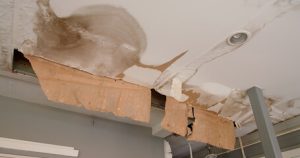
Pest Control Port St Lucie protects homes and health in subtle yet powerful ways. Unseen threats can invade spaces silently, affecting comfort and safety. Modern pest control goes beyond sprays and traps, embracing a science-driven approach. These solutions combine prevention, monitoring, and eco-conscious strategies for long-term protection. Homeowners now have tools that address both immediate problems and future risks.
Traditional methods often relied on reactive measures. People sprayed chemicals only after infestations became severe. Today, proactive strategies identify vulnerable points before pests settle. Early detection saves time, reduces damage, and limits chemical use. Integrated pest management is gaining attention in residential spaces. This method evaluates the root causes of infestations rather than just eradicating pests. By understanding the environment, behavior, and lifecycle of pests, solutions become precise and effective. Sustainable outcomes are achieved with minimal disruption.
Technology has transformed pest control significantly. Sensors detect activity in hidden corners and track pest movements. Digital monitoring systems alert homeowners to early signs of infestation. Data-driven insights now make treatment smarter and less invasive. Eco-friendly alternatives are changing the industry landscape. Natural repellents, biological agents, and targeted treatments reduce environmental impact. Homeowners can protect their families without compromising sustainability. This approach balances health, safety, and effectiveness.
Preventive design is another key component. Sealing cracks, improving ventilation, and managing waste reduce opportunities for pests. Structural awareness minimizes the chance of infestations before they occur. Prevention is always more cost-effective than reactive intervention. Rodent management now includes behavioral science. Understanding where and why rodents enter homes allows tailored interventions. Baiting and trapping become more effective when guided by observation. This method prioritizes both efficiency and humane treatment.
Ant and insect control has shifted to behavioral disruption strategies. Pheromone trails and habitat modification prevent colonies from thriving. These solutions reduce reliance on repeated chemical applications. Long-term control focuses on eliminating sources rather than symptoms. Mosquito and flying insect control has entered a precision era. Targeted larvicide and habitat management reduce populations significantly. Homeowners can enjoy outdoor spaces without widespread spraying. This careful targeting also protects beneficial insect species.
Bedbug management combines heat, vacuuming, and monitoring. These pests are resilient, and eradication requires multiple approaches. Modern strategies minimize chemical exposure while ensuring thorough removal. Early detection and rapid response remain critical for success.
The role of sanitation cannot be overstated in pest control. Clean kitchens, organized storage, and proper disposal of waste reduce attractants. Minor lifestyle adjustments can prevent infestations from taking root. Homeowners now view cleanliness as both a health and pest control strategy.
Fungal and termite prevention integrates structural inspection with treatment. Moisture management, wood treatment, and barriers prevent costly damage. Proactive pest control extends the life of the property. Home maintenance and pest prevention go hand in hand.
Pets influence pest dynamics in homes. Animal food, bedding, and outdoor areas can attract pests if not managed carefully. Pest control plans now account for these factors to avoid recurring infestations. Balanced strategies protect both humans and animals.
Seasonal patterns influence pest activity. Understanding peak times for insects and rodents allows timely interventions. Targeted treatments during these periods enhance effectiveness. Modern pest control adapts to nature rather than fighting blindly against it.
Air quality improvements also assist in pest management. Proper filtration and humidity control make spaces less hospitable to insects and mites. Healthy indoor environments discourage infestations naturally. Homeowners benefit from comfort and pest reduction simultaneously.
DIY pest control has become more informed thanks to digital resources. Educational platforms guide residents on safe and effective measures. These tools complement professional services rather than replace them. Knowledgeable homeowners contribute to sustainable outcomes.
Chemical formulations have advanced to become more selective and potent. Lower volumes achieve results without harming non-target species. Precision application reduces environmental footprint and enhances safety. Modern chemistry supports smarter, not harsher, pest control.
Outdoor landscaping impacts indoor pest activity. Plants, mulch, and water sources are evaluated to prevent attracting insects and rodents. Strategic garden design reduces the likelihood of infestations indoors. Pest control now considers the full property ecosystem.
Public health campaigns highlight pest-borne diseases and preventive measures. Awareness encourages regular inspections and timely interventions. Communities benefit when residents adopt responsible practices. Pest control becomes a shared effort rather than an isolated task.
Smart traps and lures are increasingly integrated into homes. Motion sensors and real-time notifications alert homeowners to early activity. This immediate feedback allows swift action and prevents escalation. Technology strengthens human efforts in a subtle, continuous way.
Water management influences pest proliferation. Standing water attracts mosquitoes, ants, and other insects. Regular drainage maintenance and leak prevention form part of comprehensive control plans. Simple actions have significant long-term impacts.
Education for children and families now includes pest awareness. Teaching young residents about hygiene and habitat management reduces human error. Habits like storing food properly and maintaining cleanliness prevent infestations. Community education supports safer, healthier homes.
Professional pest control teams now emphasize inspection reports and data transparency. Homeowners receive clear explanations of findings, treatment plans, and expected outcomes. Informed clients make better decisions and maintain properties effectively. Transparency builds trust and ensures ongoing protection.
The cost of pest damage extends beyond money. Allergies, property destruction, and mental stress all result from uncontrolled infestations. Comprehensive pest control mitigates these risks before they escalate. Prevention is an investment in both health and property value.
Emerging pest species challenge traditional control methods. Climate change and globalization introduce new insects and rodents into residential areas. Adaptive strategies focus on resilience and early detection. Continuous learning keeps pest management effective and relevant.
Combination strategies now dominate effective pest control. Physical barriers, chemical treatments, and biological agents work together seamlessly. Isolated approaches are less effective and risk recurrence. Integrated plans balance efficacy, safety, and sustainability.
Waste management practices influence pest populations indoors and outdoors. Proper storage, composting, and disposal reduce food sources for pests. Modern pest control integrates hygiene and behavioral understanding. This holistic approach minimizes repeated interventions.
Pest control increasingly considers long-term ecological balance. Treatments aim to eliminate harmful species without damaging beneficial organisms. This selective approach ensures environmental harmony. Protecting homes now aligns with preserving natural ecosystems.
Air circulation and temperature regulation impact pest survival. Many insects and rodents avoid spaces with controlled climates. HVAC adjustments complement other control measures efficiently. Environmental manipulation reduces the need for excessive chemicals.
Remote monitoring has transformed recurring service plans. Sensors track activity and alert professionals for targeted visits. Predictive maintenance prevents major infestations before they occur. Modern pest control is proactive, data-driven, and efficient.
Urban and suburban adaptations differ in pest control strategies. Dense areas require more frequent inspections due to shared structures. Rural locations focus on wildlife interactions and outdoor habitats. Customized solutions enhance both safety and effectiveness across environments.
Emerging biodegradable repellents offer new preventive tools. Derived from natural ingredients, they deter pests without lasting residue. Homeowners can protect spaces safely and responsibly. Innovation continues to prioritize health and sustainability.
Pest control intersects with construction and renovation practices. Material selection, sealing, and design choices influence long-term vulnerability. Builders and homeowners collaborate to create pest-resistant spaces. Prevention begins before the first infestation occurs.
Community-level pest management amplifies individual efforts. Shared knowledge, coordinated treatments, and public awareness campaigns reduce overall population pressure. Collective action complements individual responsibility. Neighborhood collaboration enhances success rates dramatically.
Digital platforms now provide predictive insights for pest activity. Data analytics forecast peak periods and emerging threats. Homeowners and professionals can plan interventions before problems escalate. Science and technology now shape pest control decisions.
Behavioral interventions are often more effective than chemicals alone. Redirecting pest activity, altering food availability, and modifying habitats reduce infestations naturally. Human behavior is as important as technology in long-term success. Knowledgeable homeowners form the first line of defense.
Indoor plants and décor can influence pest activity. Certain species attract insects, while others repel them naturally. Placement and care strategies are integrated into modern plans. Home aesthetics and pest control work in tandem for a balanced living space.
The psychological comfort of residents depends on visible and invisible pest control. Knowing a home is secure enhances peace of mind. Regular monitoring, transparency, and education reinforce confidence. Pest control has become as much about mental well-being as physical protection.
Modern pest control represents a fusion of science, technology, and human behavior. It balances immediate removal with long-term prevention strategies. Every intervention prioritizes safety, sustainability, and efficacy. Homes and families benefit from a comprehensive, thoughtful approach to pests.
The future of pest control continues to evolve with environmental awareness and technological integration. Data-driven methods, eco-conscious treatments, and preventive designs define the new standard. Homeowners gain cleaner, safer, and smarter living spaces. Pest control today is a blend of foresight, care, and innovation that ensures lasting protection.