Water damage is one of the most expensive and disruptive problems a property owner can face, often leading to structural deterioration, mold growth, electrical hazards, and significant repair costs. What makes water damage particularly challenging is that it rarely appears suddenly without warning. In most cases, it develops gradually through small leaks, worn materials, or unnoticed system failures that could have been prevented with routine maintenance. Understanding how preventative care reduces the risk of water damage All Pro Services is essential for protecting both residential and commercial properties over the long term.
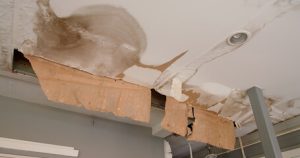
Routine maintenance is not just about keeping systems functioning; it is about identifying vulnerabilities before they escalate into major failures. Plumbing systems, roofing structures, drainage networks, and appliances all play a role in controlling water flow and preventing unwanted intrusion. When any of these systems is neglected, even minor issues such as a loose pipe joint or a clogged gutter can escalate into widespread damage affecting walls, flooring, insulation, and foundations.
Why Water Damage Often Goes Unnoticed Until It Becomes Severe
One of the most dangerous aspects of water damage is its ability to remain hidden for extended periods. Unlike visible structural issues, water intrusion often begins in concealed areas such as behind walls, under flooring, inside ceilings, or beneath appliances. By the time visible signs appear, significant damage may already have occurred.
Moisture tends to spread quietly, seeping into porous materials and weakening them over time. Drywall can soften, wood can warp, and insulation can lose effectiveness. In more severe cases, prolonged exposure to moisture can lead to mold growth, introducing additional health and remediation concerns. Because of this hidden progression, routine maintenance plays a critical role in identifying early warning signs before they escalate into expensive repairs.
The Role of Routine Maintenance in Water Damage Prevention
Routine maintenance serves as a proactive defense system against water-related issues. Instead of reacting to emergencies, property owners who prioritize maintenance are able to detect small issues early and address them before they become serious problems. This approach significantly reduces the likelihood of unexpected repair costs and property disruptions.
Professional inspections and scheduled maintenance allow for a thorough evaluation of vulnerable systems. Plumbing lines, roof surfaces, drainage systems, and appliances are examined for signs of wear, corrosion, blockages, or leaks. Even minor irregularities can indicate larger underlying issues that require attention.
By maintaining a consistent schedule of inspections and repairs, property owners can ensure that all water-related systems operate efficiently and safely throughout the year.
Common Causes of Water Damage That Maintenance Can Prevent
Water damage can originate from a wide variety of sources, many of which are preventable through regular upkeep. Understanding these causes helps highlight the importance of consistent maintenance practices.
Some of the most common causes include:
- Leaking pipes and plumbing connections that gradually worsen over time.
- Blocked or damaged gutters that prevent proper water drainage from roofs.
- Roof deterioration, including cracked shingles or worn flashing.
- Faulty appliances such as washing machines, dishwashers, or water heaters.
- Poor drainage systems that allow water to pool around foundations.
Each of these issues may seem minor at first, but when left unaddressed, they can lead to widespread water intrusion and structural damage. Routine maintenance helps detect these problems early and ensures that corrective action is taken before significant damage occurs.
Plumbing Maintenance and Leak Prevention
Plumbing systems are one of the most common sources of water damage in both residential and commercial properties. Over time, pipes can corrode, joints can loosen, and seals can deteriorate. These small changes often result in slow leaks that go unnoticed until visible damage appears.
Routine plumbing maintenance involves inspecting pipes for signs of corrosion, testing water pressure, checking for leaks, and ensuring that all connections are secure. Even minor drips can waste significant amounts of water over time and contribute to hidden moisture buildup within walls or floors.
Preventative plumbing maintenance also includes replacing aging components before they fail. By addressing wear and tear early, property owners can avoid sudden pipe bursts or major leaks that require extensive repairs.
Roof Maintenance and Water Intrusion Prevention
Roofs serve as the primary barrier against rainwater and environmental exposure, making them one of the most critical elements in preventing water damage. However, roofing materials naturally degrade over time due to weather conditions, temperature fluctuations, and physical wear.
Routine roof maintenance helps identify issues such as missing shingles, cracked flashing, clogged drainage points, or weakened sealants. These problems may appear minor, but can allow water to penetrate the structure and cause significant interior damage if not addressed.
Regular inspections ensure that the roof remains structurally sound and capable of effectively diverting water away from the building. Preventative repairs are far less costly than dealing with extensive interior water damage caused by roof failure.
Drainage Systems and Exterior Water Control
Proper drainage is essential for directing water away from a property’s foundation. When drainage systems become blocked or inefficient, water can accumulate around the structure, increasing the risk of seepage and foundation damage.
Routine maintenance of drainage systems typically includes cleaning gutters, clearing downspouts, inspecting grading around the property, and ensuring that water flows away from the structure as intended.
Key drainage maintenance tasks include:
- Removing debris from gutters and downspouts to prevent overflow.
- Checking for proper slope and grading around the foundation.
- Ensuring that drainage pipes are free from blockages.
- Inspecting exterior surfaces for pooling water after rainfall.
- Verifying that stormwater systems are functioning effectively.
These preventative measures help protect the foundation and lower levels of a property from water intrusion and long-term structural weakening.
Appliance Maintenance and Hidden Leak Prevention
Household and commercial appliances that use water are another common source of hidden leaks. Washing machines, dishwashers, water heaters, and refrigeration systems with water lines can all develop issues over time.
Routine maintenance involves inspecting hoses, seals, and connections for signs of wear or leakage. Replacing aging components before they fail is a simple but effective way to prevent unexpected water damage. In many cases, appliance-related leaks begin slowly and worsen gradually, making them difficult to detect without regular inspection.
By incorporating appliance checks into routine maintenance schedules, property owners can significantly reduce the risk of sudden water-related incidents.
Early Detection and Cost Savings
One of the most significant benefits of routine maintenance is early detection. Identifying potential problems before they escalate allows for targeted repairs that are far less expensive than full-scale restoration work. Water damage repairs often involve not only fixing the source of the problem but also addressing secondary issues such as mold remediation, structural repairs, and material replacement.
Preventative maintenance helps avoid these cascading costs by addressing issues at their earliest stages. A small repair today can prevent thousands of dollars in damage later, making routine maintenance one of the most cost-effective property management strategies available.
Health and Safety Implications of Water Damage
Beyond financial concerns, water damage also poses serious health and safety risks. Excess moisture creates an environment where mold and mildew can thrive, potentially affecting indoor air quality and respiratory health. Prolonged exposure to damp conditions can also weaken structural components, creating safety hazards within the property.
Routine maintenance helps mitigate these risks by ensuring that moisture is controlled and that leaks are addressed promptly. Maintaining a dry and well-ventilated environment is essential for protecting both the structure and the occupants.
Building a Long-Term Maintenance Strategy
Effective water damage prevention requires a long-term approach rather than occasional repairs. Establishing a structured maintenance schedule ensures that all critical systems are regularly inspected and maintained. This includes seasonal inspections for roofs and drainage systems, annual plumbing checks, and routine appliance evaluations.
A well-planned maintenance strategy helps property owners stay ahead of potential issues and maintain consistent protection against water damage risks.
Conclusion
Routine maintenance is one of the most effective ways to prevent costly water damage repairs and protect the long-term integrity of a property. By addressing small issues before they escalate, property owners can avoid structural damage, reduce repair costs, and maintain a safer and healthier indoor environment.
From plumbing systems and roofing structures to drainage networks and household appliances, every component plays a role in managing water flow and preventing unwanted intrusion. Consistent inspections and preventative care ensure that these systems continue to function properly, significantly reducing the risk of unexpected failures.
Ultimately, investing in routine maintenance is not just about preserving property value—it is about ensuring stability, safety, and peace of mind for years to come.